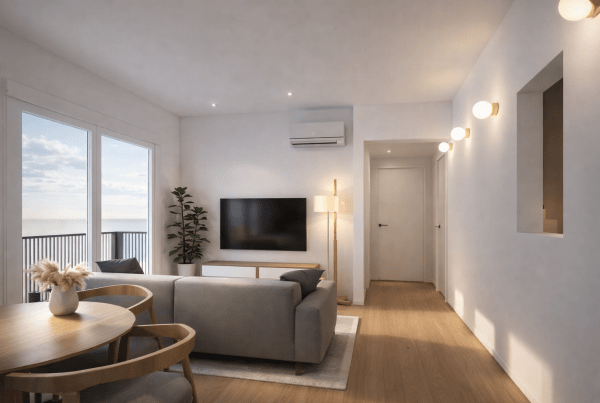
We live surrounded by objects that have been carefully thought through. Furniture, lamps, rugs and curtains designed with a clear intention… which we often ignore without realizing it. Not because we do it on purpose, but because no one ever taught us that design also has a way of being used.
It happens with rugs that look like small islands lost in the middle of the living room, too small to connect anything. In reality, a rug should embrace the space, touch the furniture, bring everything together. When it doesn’t, the room feels fragmented, as if everything had been placed in a hurry. The same goes for lighting. Trusting the entire atmosphere of a home to a single ceiling light is one of the most common mistakes. Light is not just about seeing, it’s about feeling. A floor lamp next to the sofa or a soft light washing a wall can completely change how a space is experienced, without moving a single piece of furniture.

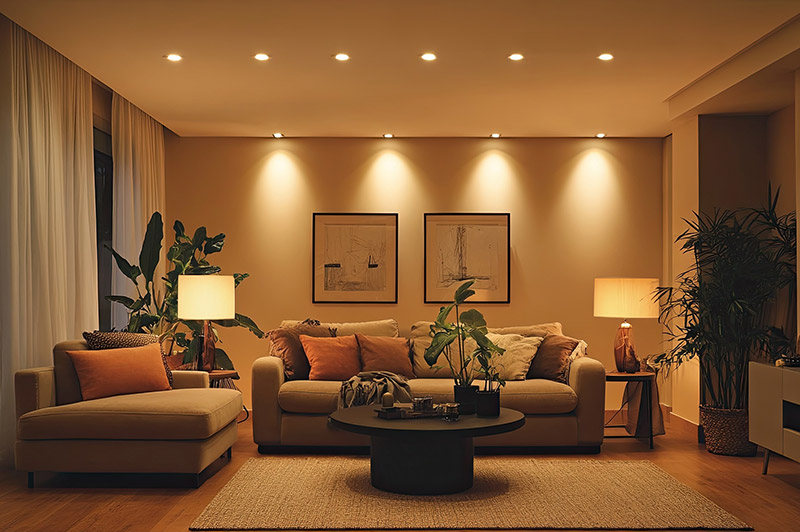
We also tend to push everything against the walls, as if the center of the room were forbidden territory. The sofa is the clearest example: pulling it just a few centimeters away from the wall, or even letting it float in the middle of the room, transforms the space and makes it feel intentional rather than improvised. Suddenly, the room can breathe. And then there are curtains. Hung right above the window, short and timid, when in fact they have the power to visually stretch an entire room. From ceiling to floor, walls appear taller, spaces feel more elegant, more considered.

In the end, it’s not about following strict rules or living in a magazine-perfect home. It’s about understanding that design has a purpose. That many times we don’t need to buy anything new, we just need to use better what we already have.
Because between a home that is simply correct and one that truly feels good, there is almost always a small design decision that changes everything.