

Architecture is often explained through broad concepts: volumetry, structure, relationship with the surroundings, or functional program. Yet it is in the detail that the rigor of a project truly becomes evident. The junction between two materials, the resolution of a corner, the proportion of a staircase, or the depth of an opening speak more honestly than any written statement. The detail is not an addition; it is proof that the idea has been carried through to its full conclusion.
Detail as Decision

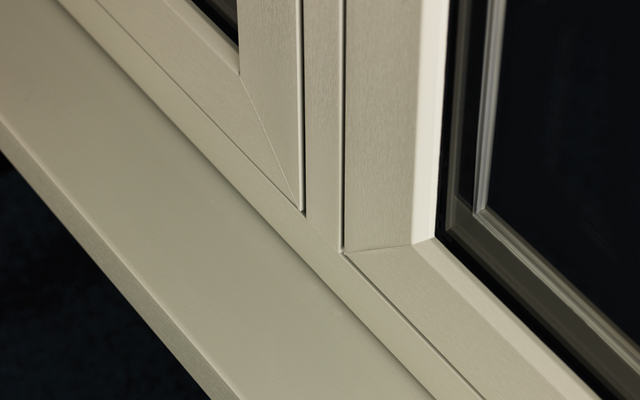
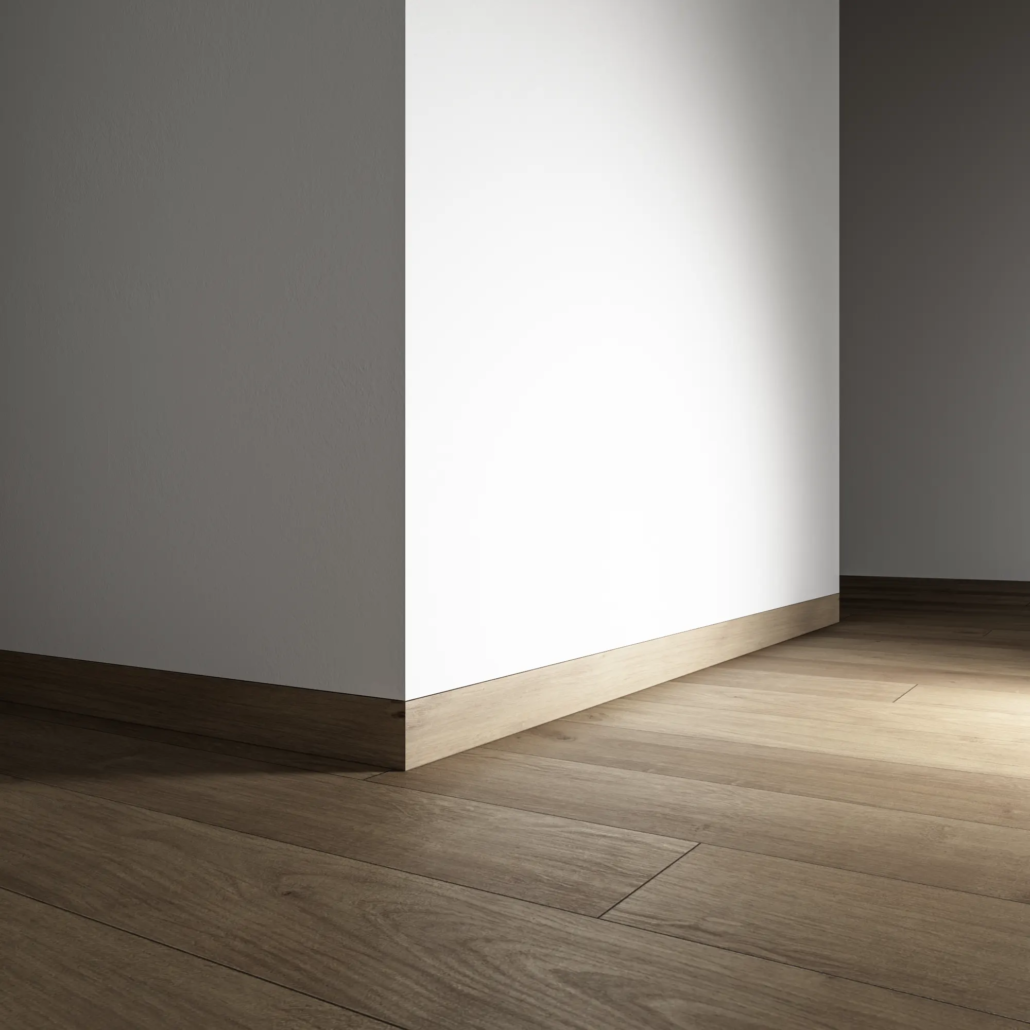
Every detail contains a chain of decisions. It does not respond solely to aesthetics, but also to technical, regulatory, and constructive conditions. A baseboard may seem irrelevant, yet it defines the transition between floor and wall, protects the surface, and shapes the visual reading of the space. A flush window frame alters the perception of wall thickness and therefore the sense of solidity or lightness of the whole. When a detail is resolved without criteria, the space loses coherence; when it is carefully considered, everything feels inevitable and natural.
In our practice, we understand detail as a mechanism of precision. It is the point where the initial idea meets constructed reality. The aim is not to complicate, but to refine — to remove what is superfluous and allow each element to fulfill its function with clarity.
Scale, Proportion, and Experience


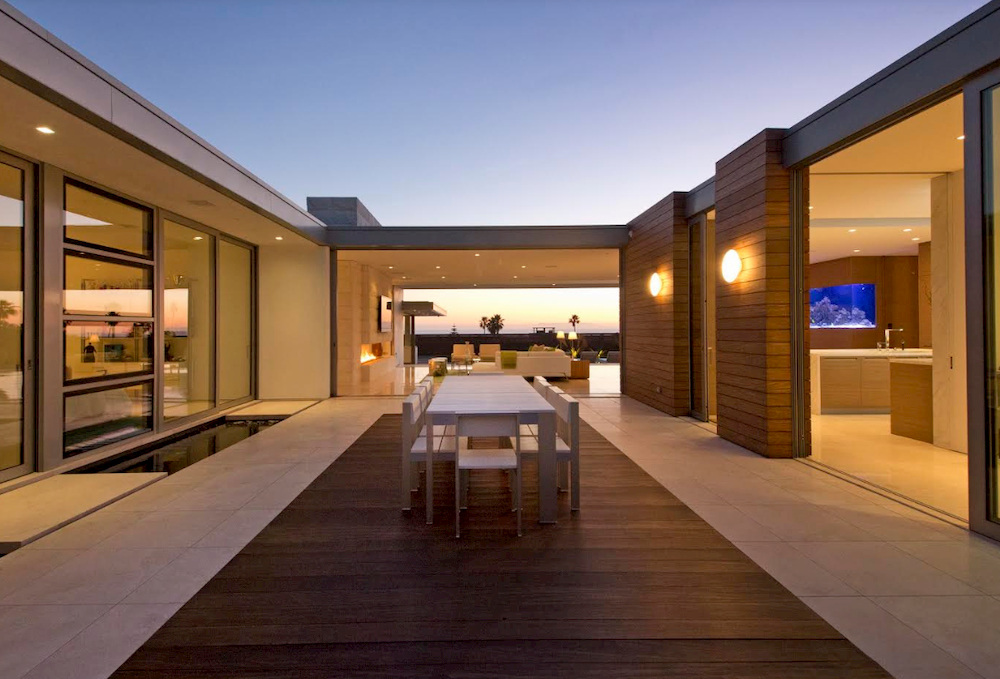
The user’s experience does not depend solely on general layout, but on how parts are articulated. A poorly proportioned staircase disrupts the rhythm of movement. Poorly oriented light flattens the texture of a material that could gain depth through lateral incidence. A careless junction between floor finishes interrupts spatial continuity.
Historic architecture understood well this relationship between detail and experience. Courtyards regulated climate long before complex mechanical systems existed; overhangs protected façades and modulated light; deep openings generated shade and thermal control. These were not decorative gestures, but precise responses to real constraints. Recovering that logic means designing from knowledge rather than from trend.
Building with Criteria
To speak about detail is to speak about responsibility. Every solution must answer a specific question: why this way and not another? When a project maintains coherence between concept, technique, and execution, the result conveys solidity. The user may not consciously identify every decision, but perceives the harmony of the whole.
In this blog, we will explore those seemingly minor points that sustain architecture: constructive junctions, reinterpreted traditional elements, spatial decisions that transform perception. We do not approach detail as ornament, but as foundation. Because in architecture, what appears small is often what truly defines the space.


